
























































Notification

THANK YOU FOR MAKING AN APPOINTMENT AT AIH.
Would you like to pre-register?
Please fill in the information below
Urgent
WHAT IS THE GUT MICROBIOME? WHY IS IT CONSIDERED THE BODY’S “FORGOTTEN ORGAN”?
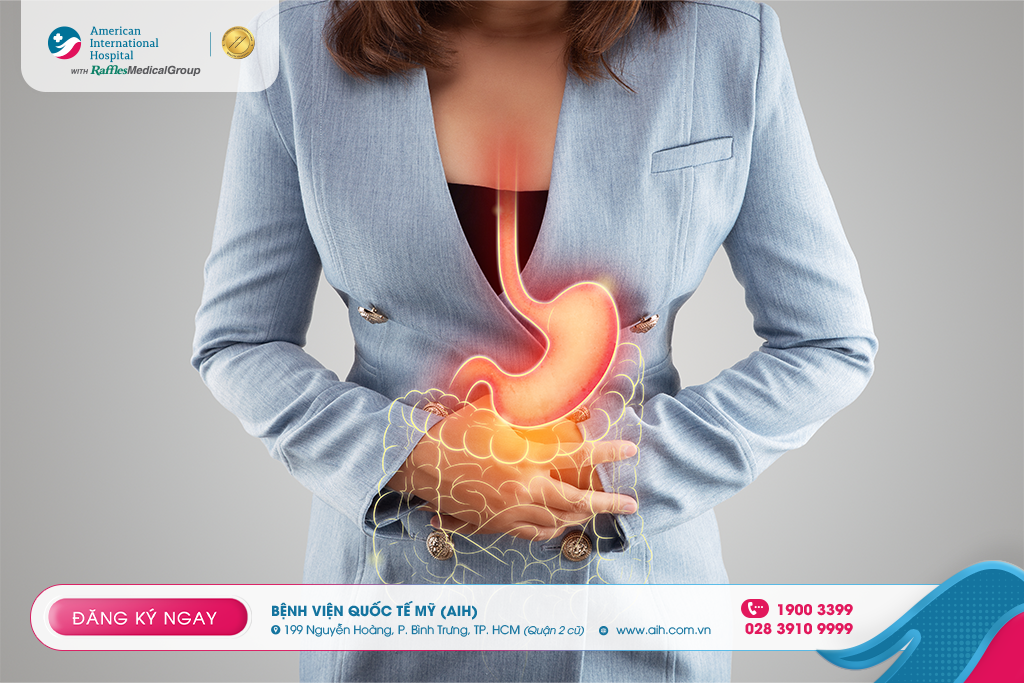
The Gut Microbiome: A “World” Living Inside the Body That Many People Have Never Known About
For many years, when we thought about bacteria, most of us associated them with disease and infection. This view is not entirely wrong, but it reflects only a very small part of the story.
In reality, the human body is home to trillions of microorganisms, including bacteria, fungi, viruses, and other types of microorganisms. They are found predominantly in the gastrointestinal tract, particularly in the colon. This vast community is known as the gut microbiome.
Interestingly, the number of microbial cells in the human body is roughly comparable to the number of human cells. In terms of the number of genes, however, the microbiome far exceeds our own genome, by hundreds of times. This means that these invisible “companions” are capable of performing many functions that the human body cannot perform on its own.
Over the past two decades, advances in gene sequencing technology have enabled scientists to better understand the microbiome. They have found that these are not simply bacteria that “live off” the gut, but rather a continuously active ecosystem that influences digestion, immunity, metabolism, the nervous system, and even the risk of developing many chronic diseases.
For this reason, an increasing number of experts refer to the gut microbiome as the body’s “forgotten organ.”
What Does the Gut Microbiome Consist Of?
When people hear the term “gut bacteria,” many tend to think that there are only a few simple types of bacteria. In reality, the microbiome is extremely diverse.
A healthy adult may harbor approximately 30–40 trillion microorganisms in the gastrointestinal tract. Most of these are bacteria, but they also include:
Yeasts
Bacteriophages
Archaea
Some non-pathogenic parasites
What matters is not how many bacteria there are, but whether they are in balance.
Like a natural forest, an ecosystem is stable when many species coexist. If certain species become overabundant or many beneficial species decline, the balance is disrupted and the risk of disease begins to emerge.
This is what medicine refers to as gut microbiome dysbiosis.
Why Is the Microbiome Considered an “Organ”?
Normally, when we think of organs in the body, we think of the heart, liver, lungs, or kidneys.
However, in terms of function, the microbiome also meets many of the criteria of a true organ.
1. Specialized Functions
The microbiome helps break down many types of dietary fiber that the human body cannot digest.
Without these bacteria, much of the fiber would simply be excreted without providing much benefit.
During fiber fermentation, bacteria produce short-chain fatty acids (SCFAs) such as acetate, propionate, and butyrate.
These molecules play several important roles:
Nourishing cells lining the colon.
Reducing inflammation.
Maintaining the intestinal barrier.
Supporting blood glucose control.
Regulating fat metabolism.
Increasing feelings of fullness.
In other words, every fiber-rich meal not only nourishes the body but also “feeds” trillions of beneficial bacteria.

2. Ability to Communicate With Other Organs
Today, scientists know that the gut does not function independently.
The microbiome continuously sends signals to other organs through:
The immune system.
The nervous system.
Hormone.
Microbial metabolites.
This is why gut health can affect:
The brain.
The liver.
The cardiovascular system.
The pancreas.
The skin.
The joints.
This is why many diseases that may seem unrelated to the digestive system are linked to the gut microbiome.
3. Ability to Change in Response to the Environment
Unlike the genetic makeup we inherit at birth, the microbiome is constantly changing.
The composition of the gut microbiota can be affected by:
Diet.
Antibiotics.
Age.
Sleep.
Chronic stress.
Physical activity.
Living environment.
This presents an important opportunity: we can improve our gut microbiome by changing our lifestyle, rather than relying solely on medication.
How Does the Microbiome Help Keep the Body Healthy?
Supporting Digestion
This is the most readily recognized role.
Many complex carbohydrates and types of dietary fiber cannot be digested by human enzymes.
Gut bacteria take care of this part of the process.
As a result, the body can extract more energy from food while also producing beneficial substances that support the intestinal lining.
Protecting the Intestinal Barrier
The intestinal lining acts like a “fortified wall” that prevents harmful bacteria and toxins from entering the bloodstream.
A healthy microbiome helps:
Increase the production of protective mucus.
Strengthen the connections between intestinal cells.
Reduce increased intestinal permeability.
When this barrier is damaged, toxins and bacteria can enter the circulation and trigger a prolonged inflammatory response.
This is considered one of the mechanisms associated with many chronic diseases today.
Regulating the Immune System
Approximately 70% of the body’s immune cells are concentrated in the gastrointestinal tract.
This is not by chance.
The gut is where the body comes into daily contact with food, bacteria, and numerous agents from the external environment.
The microbiome acts like a “trainer” for the immune system.
When the microbiome is healthy, the immune system tends to function in a more balanced manner:
Responding strongly enough to fight infections.
Avoiding excessive responses that can cause allergies or autoimmune diseases.
Conversely, when the microbiome is imbalanced, the risk of immune dysregulation also increases.

Producing Beneficial Substances
Few people know that gut bacteria also participate in the synthesis or production of many substances essential to the body, such as:
Vitamin K.
Some B vitamins.
Short-chain fatty acids.
Many other beneficial metabolites that are still being studied.
These substances not only affect the gastrointestinal tract but also influence the cardiovascular system, liver, brain, and energy metabolism.
Conclusion
For many years, we have focused on the heart, liver, lungs, and kidneys while inadvertently overlooking a unique “organ” – the gut microbiome. Although invisible to the naked eye, the trillions of microorganisms living in the gastrointestinal tract play an important role in digestion, immunity, metabolism, and long-term health.
Scientific studies in recent years have shown that the gut microbiome is not only associated with gastrointestinal diseases but is also closely linked to obesity, diabetes, fatty liver disease, cardiovascular disease, certain autoimmune diseases, and even brain health. The good news is that the microbiome is not a “fixed” factor. By adopting a balanced diet, maintaining a healthy lifestyle, and receiving appropriate treatment for gastrointestinal conditions, we can improve the balance of the microbiome and thereby contribute to protecting long-term health.
If you frequently experience symptoms such as bloating, abdominal distension, persistent constipation or diarrhea, unexplained abdominal pain, or chronic gastrointestinal conditions, do not focus solely on treating the symptoms. Identifying the underlying causes, including assessing gut microbiome health when clinically indicated, may help develop a more comprehensive and effective treatment strategy.
The Department of Gastroenterology – American International Hospital (AIH) is equipped with a new-generation Olympus endoscopy system featuring high-resolution imaging to support the early detection of lesions from the esophagus and stomach to the colorectum. In addition, the department offers gut microbiome analysis from stool samples, which helps assess the composition of the gut microbiota in cases where indicated by a physician. This can support the personalization of nutrition, lifestyle recommendations, and treatment plans for each patient.
Caring for gut health is not only about treating disease when it occurs; it is also an investment in the health of the entire body for the future. If you have persistent gastrointestinal symptoms or would like to receive advice on gut microbiome health, visit the Department of Gastroenterology – American International Hospital for evaluation, consultation, and an individualized care plan from our gastroenterology specialists.
References
Fan Y, Pedersen O. Diet–microbiota interactions in health and disease. Nature Reviews Microbiology. 2024;22. doi:10.1038/s41579-024-01068-4.
Valdes AM, Walter J, Segal E, Spector TD. Role of the gut microbiota in nutrition and health. BMJ. 2018;361:k2179. doi:10.1136/bmj.k2179.
--------------------



Leave a comment