


























































Thông báo

CẢM ƠN QUÝ KHÁCH ĐÃ ĐẶT LỊCH KHÁM TẠI AIH.
Quý khách có muốn đăng ký thông tin trước không?
Vui lòng điền vào thông tin bên dưới
Khẩn cấp
THE NATURE OF “REFRACTORY REFLUX” AND A WAY FORWARD FOR LONG-TERM SUFFERERS
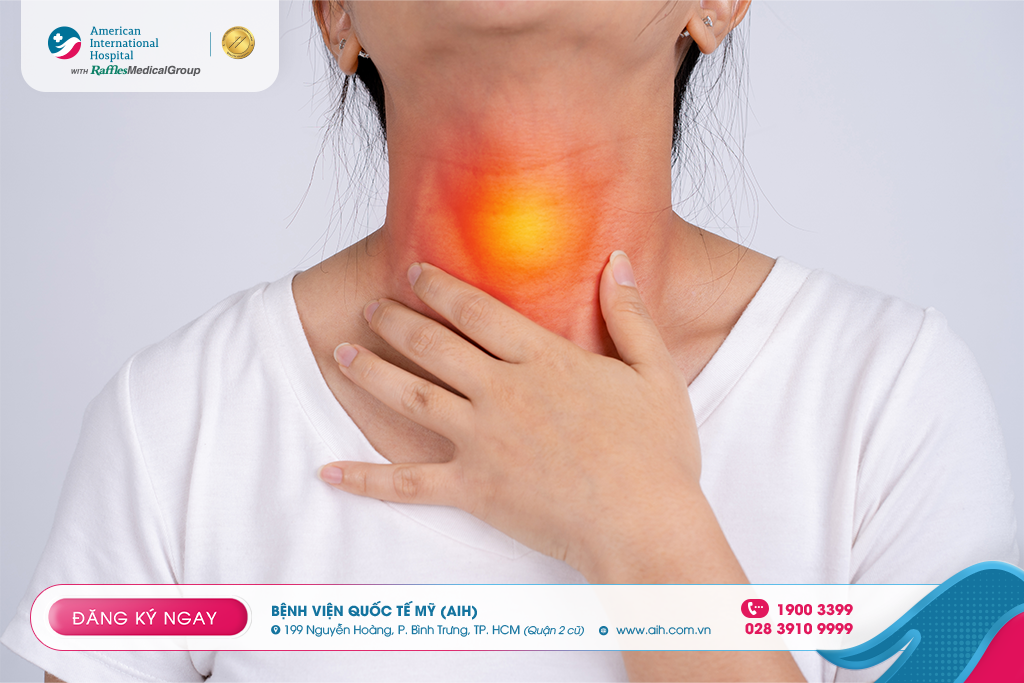
Taking the right medication but still not getting better—what could be the reason?
According to MSc., MD. Mai Vien Phuong, Head of the Gastrointestinal Endoscopy Unit, many patients have shared:
“Doctor, I take my medication regularly and follow dietary restrictions very carefully, so why do I still experience a burning sensation behind my breastbone?”
This is a fairly common situation in gastroenterology practice. The good news is that, in most cases, it is not because the disease is too severe, but rather because one or more underlying causes have not yet been identified.
Treating reflux is like trying to fix a clock that is keeping the wrong time. If you only replace the battery while the gears are damaged, the clock still will not function properly. Similarly, if the true cause of the symptoms has not been correctly identified, changing or trying multiple medications may still fail to achieve the desired treatment outcome.
Below are some of the most common reasons why reflux treatment may not be effective.
1. The initial diagnosis is incorrect
This is an important but often overlooked cause.
Not everyone who experiences a burning sensation behind the breastbone has gastroesophageal reflux disease (GERD). This symptom may also occur in a variety of other conditions, including:
Esophageal hypersensitivity.
Functional heartburn.
Esophageal motility disorders.
Drug-induced esophagitis.
Eosinophilic esophagitis.
Cardiovascular diseases.
Certain gastric or biliary tract disorders.
If the initial diagnosis is incorrect, treatment is unlikely to be effective, even when the patient adheres very well to the prescribed regimen.
2. Incorrect use of medication
This is a very common reason.
Many people believe that simply taking their medication every day is sufficient. However, the effectiveness of medication also depends on when it is taken.
For example, acid-suppressing medications generally work best when taken approximately 30–60 minutes before a meal. If they are taken after eating or inconsistently, their effectiveness may be significantly reduced.
In addition, some people:
Frequently forget to take their medication.
Reduce the dose on their own.
Stop taking the medication once they feel better.
Take medication only when symptoms occur.
These habits can all contribute to treatment failure.
3. Inadequate lifestyle modifications
Medication cannot fully compensate for inappropriate lifestyle habits.
If patients continue to:
Eat excessively large meals in the evening.
Eat shortly before going to bed.
Consume large amounts of alcohol.
Smoke.
Gain weight or become obese.
Frequently stay up late.
...then reflux can be very difficult to control.
Some patients may switch between multiple medications yet experience significant improvement only after losing weight and adjusting their meal schedule.

4. Persistent significant acid reflux
In some cases, reflux disease may be relatively severe.
Although medication helps reduce acid production, it may still not provide complete control.
This may occur in individuals with:
Hiatal hernia.
Impaired lower esophageal sphincter function.
Obesity.
Increased intra-abdominal pressure.
In these cases, further evaluation may be necessary to determine the most appropriate treatment approach.
5. Reflux is not only about acid
This is something that many people may not be aware of.
Refluxate from the stomach does not contain acid alone; it may also include:
Bile.
Digestive enzymes.
Gas.
Partially digested food.
Even when acid is well controlled, these other components may still cause discomfort in some individuals.
This is why some people may take their medication exactly as prescribed yet continue to experience regurgitation or discomfort after meals.
6. Esophageal hypersensitivity
This is a cause that has received increasing attention in recent years.
In healthy individuals, a small amount of refluxate usually does not cause any symptoms.
In contrast, in people with esophageal hypersensitivity, even a very small amount of acid or non-acid refluxate may be enough to trigger a burning sensation.
It can be compared to an alarm system that has been set to be overly sensitive.
Even a very minor stimulus is enough to set off the alarm.
In this case, the problem is no longer the amount of acid, but rather how the esophagus perceives and responds to the stimulus.
This is why many people may have an almost normal endoscopic examination but still experience significant and distressing symptoms.
7. Functional heartburn
Some people experience symptoms that are very similar to those of reflux disease.
A burning sensation behind the breastbone.
Heartburn.
Chest pain.
However, when more specialized investigations are performed, acid exposure is found to be completely normal, and the symptoms are not associated with reflux episodes.
This condition is known as functional heartburn.
In this group of patients, continuing to increase the dose of acid-suppressing medication usually does not provide additional benefit.
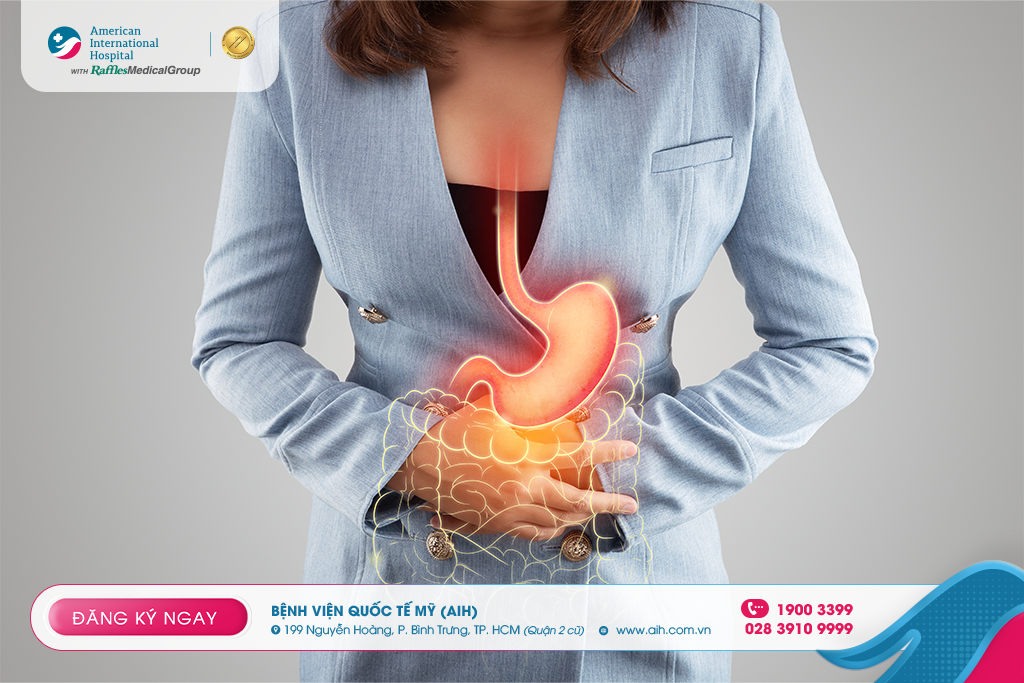
8. Esophageal motility disorders
The esophagus is not simply a tube that carries food.
It must also contract in a coordinated manner to move food from the mouth down to the stomach.
If these contractions are impaired or uncoordinated, patients may experience:
Difficulty swallowing.
Chest pain.
A sensation of food getting stuck.
Discomfort after eating.
These symptoms can sometimes closely resemble those of reflux disease.
9. Prolonged stress and anxiety
Stress is not a direct cause of reflux disease, but it can worsen the symptoms.
When stress is prolonged:
The brain may become more sensitive to pain sensations.
Patients may become more focused on their symptoms.
Sleep quality may decline.
Burning sensations may occur more frequently.
This is why physicians do not only ask about symptoms, but also pay attention to the patient’s work, sleep, and sources of stress in daily life.
10. Another underlying condition has not yet been identified
Not all cases of burning behind the breastbone are caused by reflux.
Several other conditions can produce similar symptoms, including:
Peptic ulcer disease.
Early-stage esophageal cancer.
Drug-induced esophagitis.
Eosinophilic esophagitis.
Esophageal spasm.
Certain cardiovascular conditions.
This is why patients should not continue self-treatment for prolonged periods without follow-up medical evaluation.
How can the underlying cause be identified?
If treatment is not effective, the physician will conduct a comprehensive reassessment rather than simply changing the medication.
Depending on the individual case, patients may be indicated for:
Upper gastrointestinal endoscopy.
24-hour esophageal pH monitoring.
Esophageal impedance monitoring.
Esophageal manometry.
Biopsy, when necessary.
These investigations help accurately identify the underlying cause and determine the most appropriate treatment approach.

Don’t Focus on Medication Alone
Modern reflux treatment is not simply about prescribing medication.
The goal is to identify the underlying reason why a patient continues to experience symptoms.
Some patients may need to adjust how they take their medication.
Some may need to lose weight.
Some may require treatment for esophageal hypersensitivity.
Some may need support in managing stress.
Others may need to be evaluated for an entirely different underlying condition.
Treatment is truly effective only when it is tailored to the underlying cause in each individual.
Treatment Is More Than Just Prescribing Medication
At the Department of Gastroenterology, American International Hospital (AIH), treatment is individualized based on each patient's underlying cause, clinical condition, and individual needs.
Each patient has different underlying causes, physiological characteristics, and living circumstances. Therefore, there is no single treatment regimen that is suitable for everyone. The goal of treatment is not only to control symptoms but also to identify the correct underlying cause and develop a treatment plan tailored to each individual.
During the consultation, in addition to reviewing endoscopic findings and other necessary investigations, physicians take the time to understand the patient's work, lifestyle habits, diet, level of stress, and the impact of the condition on their quality of life. Many patients report that they are not only troubled by the burning sensation behind the breastbone or chest discomfort, but also worried that persistent symptoms may affect their work, daily activities, and family life. This information plays an important role in developing an appropriate treatment approach.
Every patient has a different story. Some regularly stay up late because of the nature of their work, while others have irregular eating patterns due to occupational demands. Some older patients may also be constantly concerned about the possibility of a serious underlying condition. Therefore, effective treatment should not rely solely on laboratory or diagnostic test results. It also requires a comprehensive assessment and close collaboration with the physician to develop a treatment plan that is compatible with each patient's living conditions, work, and individual needs.
For patients who have been treated for reflux disease for several weeks or months without improvement in their symptoms, a comprehensive evaluation by a gastroenterologist is important to identify the true underlying cause. Once the cause has been accurately determined, an appropriate treatment approach can be selected to achieve effective and sustainable symptom control, rather than simply switching medications or increasing their doses.
Key Takeaways
Treatment failure does not necessarily mean that the disease is severe.
Persistent symptoms are not always caused by acid.
Esophageal hypersensitivity and functional heartburn are two common causes that can easily be overlooked.
Patients should not increase the dose or switch medications without first identifying the correct underlying cause.
Individualized treatment, tailored to each patient's specific condition and needs, is a key direction in modern medicine.
References
Sawada A, Sifrim D, Fujiwara Y. Esophageal Reflux Hypersensitivity: A Comprehensive Review. Gut and Liver. 2023;17(6):831–842.
--------------------


Để lại bình luận